
Build The Damn Bike Lanes
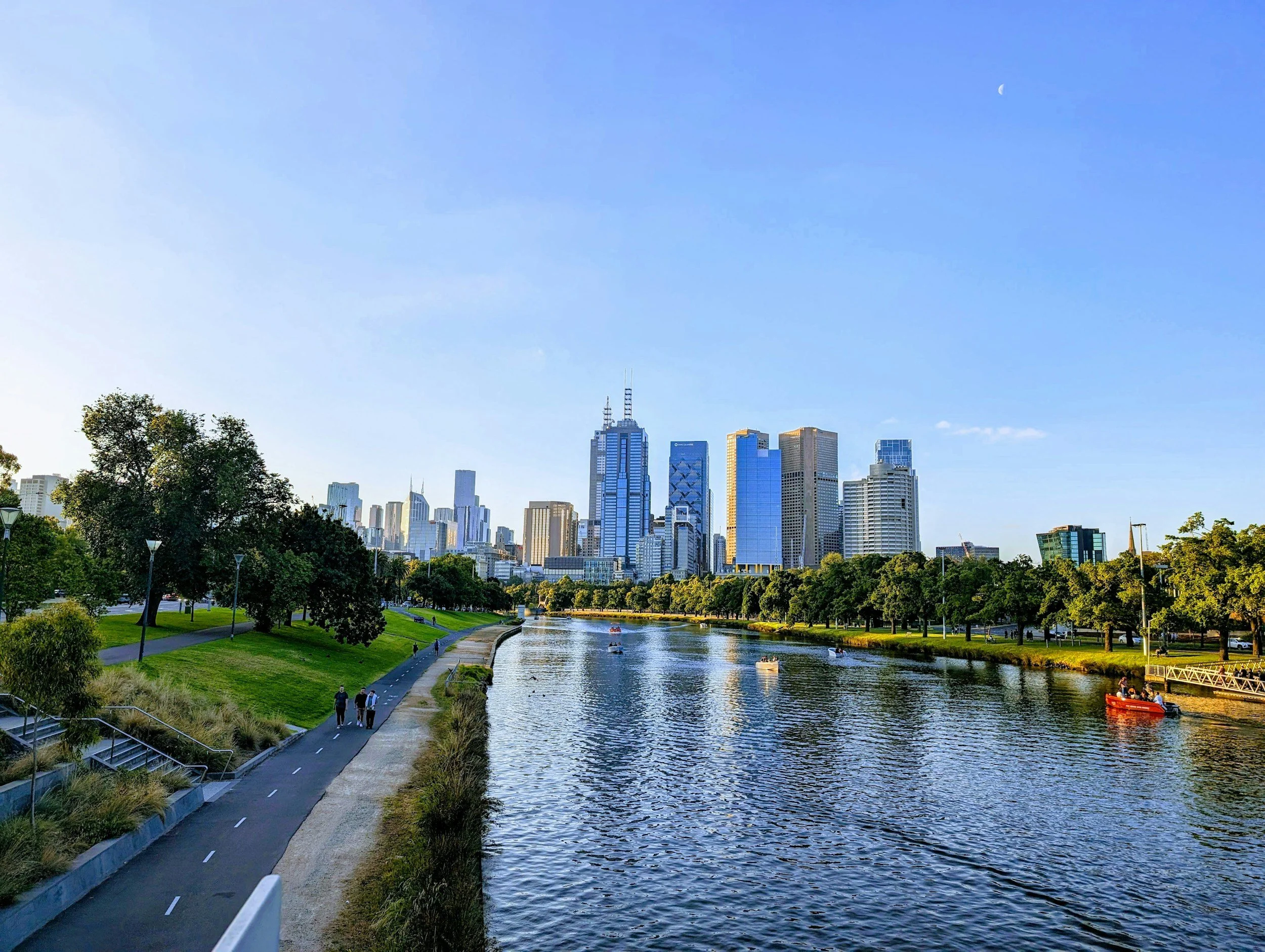
There are few things more predictable in Australian public life than the instant aneurysm some people suffer whenever bicycle infrastructure is mentioned.
Spend a billion dollars widening roads? Sensible. Mature. Nation-building.
Spend a fraction of that helping people ride safely to work, school, the shops or the train station? Apparently civilisation is over. Tradies are under attack. Parking has been murdered. The economy is seconds from collapse because somebody in Brunswick might get to work without burning petrol.
Please.
Bicycle Network and other bike advocacy groups have been pushing governments to stop treating cycling as a weekend hobby and start funding it like transport. Not “nice-to-have” transport. Not “green lifestyle accessory” transport. Actual transport. The kind that moves people, clears space, improves health, reduces emissions and makes cities less miserable.
The latest federal commitment to extend active transport funding is welcome. It is also, if we are being honest, a down payment on decades of underinvestment. Australia has spent generations building cities where the car is treated like a birthright and every other mode is expected to survive on scraps, paint, hope and a “share the road” sign.
The result? Congestion, stressed commuters, packed trains, expensive fuel, dangerous school drop-offs, and roads full of people who probably should not be driving three kilometres to buy milk.
Cycling infrastructure is not anti-car. It is pro-common sense.
Every person on a bike is one fewer person in the traffic queue. One fewer body wedged into a peak-hour train carriage. One fewer car circling for a park. One fewer short trip adding noise, fumes and rage to streets that already have enough of all three.
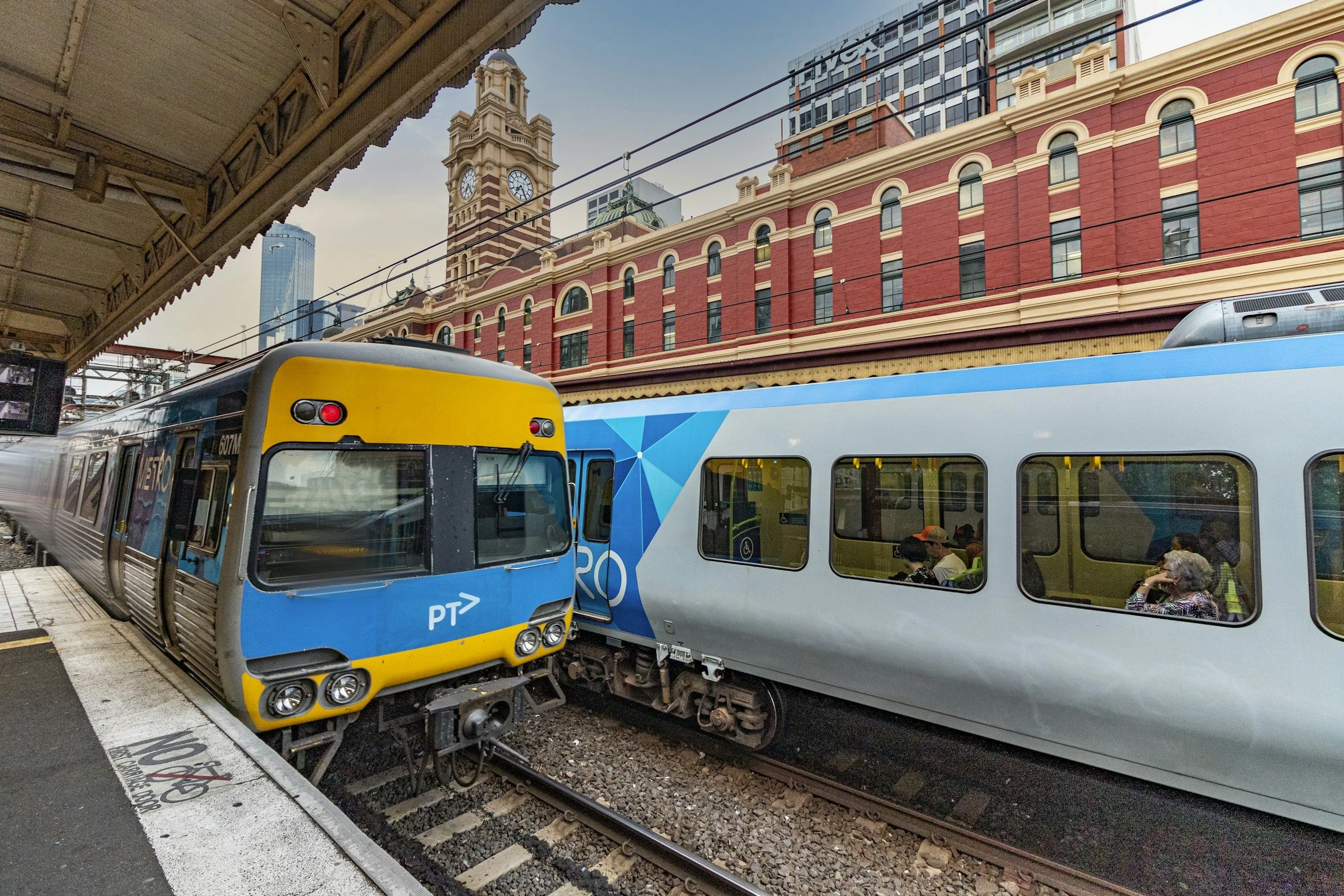
The anti-bike crowd loves to ask: “But what about people who can’t ride?”
Fine. What about them? Nobody is suggesting your nan ride a fixie down Punt Road in a thunderstorm. But the existence of people who need cars does not mean everyone must be forced into one. In fact, the more people who can ride safely, the easier life becomes for those who genuinely need to drive: carers, disabled people, delivery drivers, regional workers, shift workers, tradies carrying tools, families making complex trips.
That is the bit the outrage merchants never admit. Bike lanes do not steal road space. They return road space from unnecessary car trips.
And yes, cycling is having a commuting moment. High fuel prices have done what years of polite awareness campaigns could not: made people look at the bike in the shed and think, “Actually…” Suddenly the arithmetic looks different. A short commute that once felt like a lifestyle choice now looks like a financial decision. E-bikes make the distance less intimidating. Secure parking and end-of-trip facilities make the office ride less feral. Protected lanes make the whole thing feel less like volunteering as traffic’s softest target.
But here is the uncomfortable question: will it last?
If petrol prices soften, will the new commuters keep riding? Or will the car creep back into every short trip because our infrastructure still makes cycling feel optional, exposed and slightly mad?
That is why funding matters. Behaviour changes when the system changes. People do not ride because governments publish glossy strategies. They ride when the route is direct, protected, connected and obvious. They ride when the missing 400 metres between two good paths is finally fixed. They ride when a school kid can cross an intersection without needing the survival instincts of a courier. They ride when cycling stops being a personality trait and becomes boringly normal.
The best cycling cities are not full of heroes. They are full of regular people doing regular things in regular clothes. That should be the goal. Not a Lycra utopia. Not a culture war. Just a city where a person can ride five kilometres to work without being treated as either an athlete or a nuisance.
Melbourne, in particular, should be embarrassed by how hard this still feels. This is a city with flat-ish inner suburbs, a strong cycling culture, a huge university population, dense employment centres, train stations that need better first-and-last-mile options, and weather that is far less dramatic than locals pretend. We have all the ingredients. What we often lack is the political spine to connect the network properly.
Instead we get the same stale theatre. A bike lane is proposed. A handful of people declare it the end of local commerce. Someone claims “nobody rides there” before the lane exists. A councillor panics. The plan is delayed, watered down, reviewed, re-announced, half-built, then blamed for not transforming transport overnight.
Imagine applying that logic to roads. “Nobody is driving on this bridge we haven’t built, so why build it?”
The truth is brutally simple: people do not feel safe riding next to fast, heavy traffic. Paint is not protection. A door-zone lane is not infrastructure. A disconnected path that dumps you into a hostile intersection is not a network. If governments want cycling numbers to stick after fuel prices normalise, they need to build the conditions that make riding feel like a default.
That means protected corridors. Safer intersections. Better links to stations. Secure bike parking. More school routes. More suburban connections. Less pretending that a recreational trail and a commuter network are the same thing.
And yes, it costs money. Good. Spend it.
Spend it because the health return is obvious. Spend it because cities choking on congestion need cheap, space-efficient movement. Spend it because public transport works better when bikes handle the short local trips and station connections. Spend it because a child riding to school should not be a nostalgia act. Spend it because every serious city in the world has worked out that giving people alternatives to driving is not radical. It is basic competence.
The loudest anti-cycling voices are not defending freedom. They are defending a traffic jam.
So build the damn bike lanes. Build them properly. Build them before the next fuel spike, the next congestion crisis, the next climate target, the next glossy strategy, the next election promise, the next “consultation period” that somehow consults everyone except the people too scared to ride.
Cycling does not need another pat on the helmet.
It needs a budget line, a deadline and a government willing to treat bikes like transport.

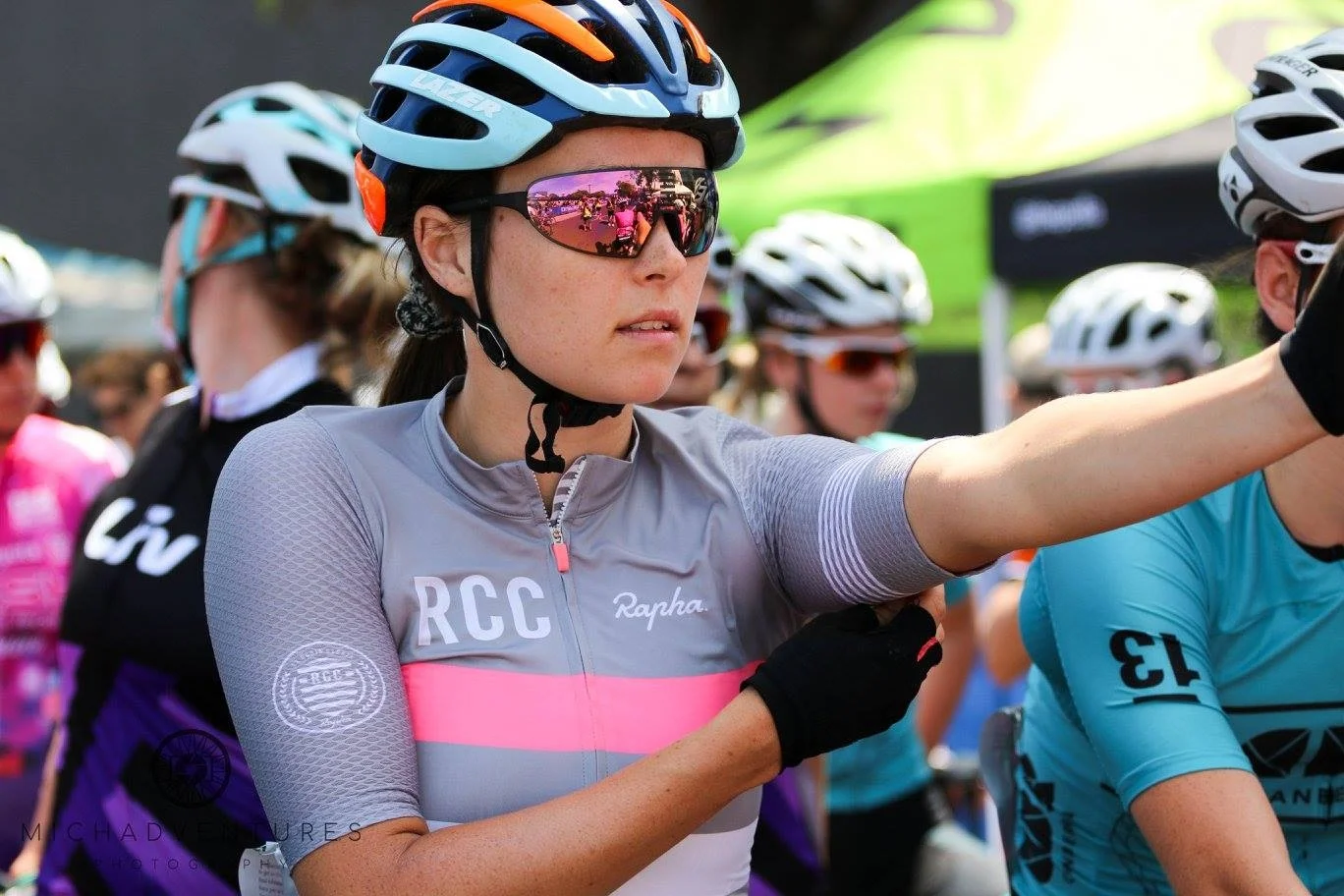






Meet Griff; one of SA’s up and coming triple threats